أ.د. احمد ملاعبة
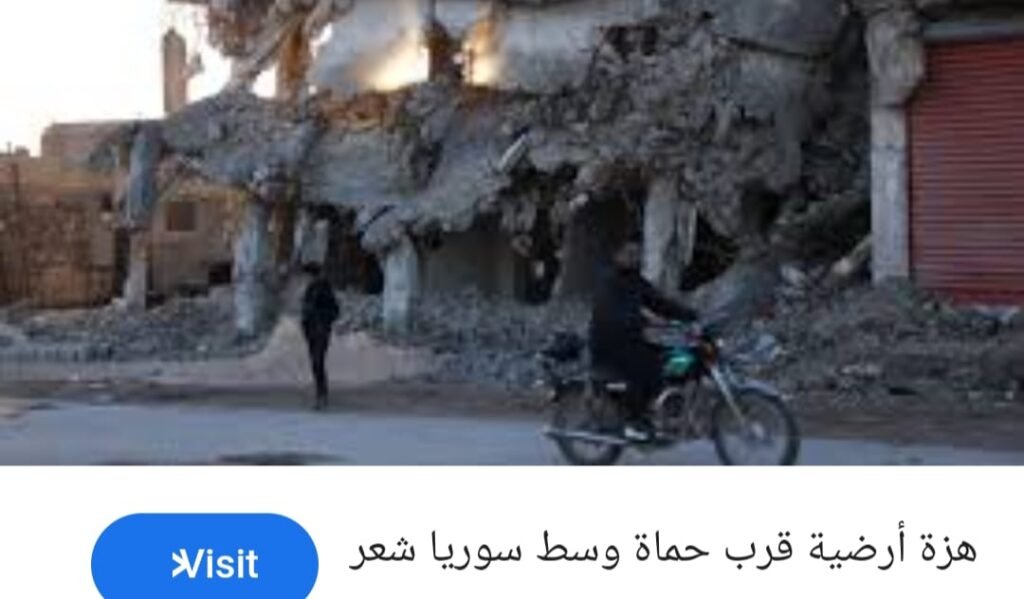
ضرب زلزال بقوة 5.5 درجة على مقياس ريختر شرق مدينة حماة السورية حوالي الساعة ١٢,منتصف الليل وكان مركزه بعمق 10 كيلومتر كما أشارت المراصد العالمية الأردنية والألمانية وغيرها وأدى إلى حدوث إصابة 21 شخصا ولم تسجل وفيات وشعر به سكان الاردن ولبنان وتركيا وقبرص.
هذا الزلزال سبقه بثلاث ساعات زلزال بقوة 3.9 درجة … وتبعه أربعة زلازل ارتداية بعد عدة دقائق بقوة 3.9 إلى أقل من 3 درجات.
** الوضع التكوني: شمالا باتجاة الجنوب
بعد زلزال الأناضول الكبير بدأت الصفيحة العربية في العودة إلى الاستقرار حيث فرغت الطاقة الكامنة في الزلازل الكبيرة في الأناضول وانعدام انطاكيا.
ولكن بسبب وجود فوالق ممتدة في المنطقة بالقرب من نهاية الصفيحة العربية في الجزء الشمالي ووجود نطاق تصادمي بين الصفيحة العربية والصفيحة الاوراسية ووجود نطاق افيولايت في منطقة كسب ورأس البسيط في مدن اللاذقية وجبلة حدثت حركية ضعيفة إلى متوسطة على بعد ٣كم من منطقة زغرين شمال سوريا محدثة عدة هزات و زلازل في المنطقة أهمها زلزال بقوة 5.5 درجة.