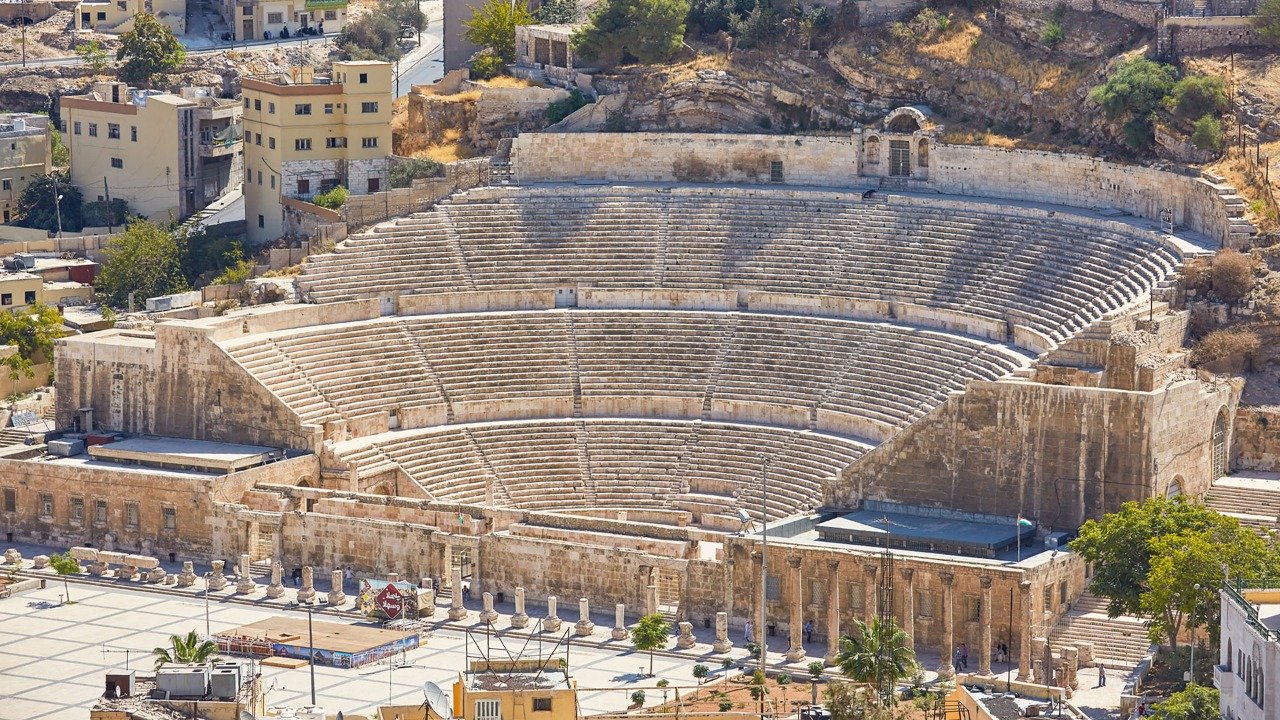
قع العاصمة الأردنية عمّان في الجزء الشمالي الغربي من الأردن على نحو «90» كم من بيت المقدس. وتقوم مدينة عمان الحديثة في الموضع نفسه تقريبا الذي كانت تشغله المدينة القديمة « عمون». ومن أسمائها القديمة ايضا «فيلادلفيا» التي تعني المحبة الأخوية لدى الرومان. وخلال مسيرتها التاريخية الطويلة خضعت عمان للأشوريين والكلدانيين والهكسوس والفرس واليونان والرومان، وقد خلفوا وراءهم كثيرا من الآثار من ابرزها « المدرج الروماني» الذي يتسع لنحو خمسة آلاف متفرج.
جــــرش :

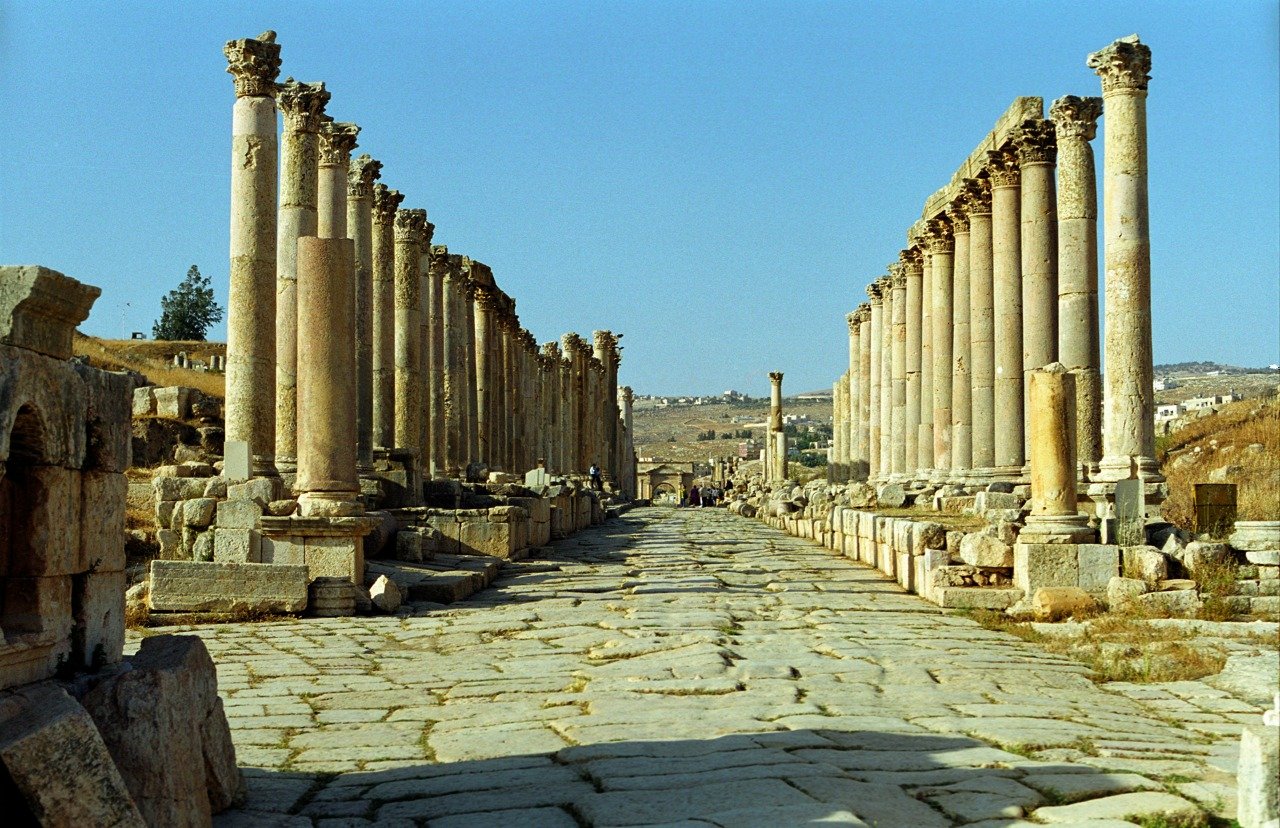
هي مدينة الآثار الرومانية، ذات التراث الحضاري العريق، وإحدى المدن الأثرية القليلة في العالم التي حافظت على كل معالمها حتى اليوم، فمازالت ساحات المدينة وشوارعها وأعمدتها ومسارحها الأثرية شاهدة على العهود اليونانية والرومانية في (بومبي الشرق) جراسيا القديمة .. جرش الاردنية الجميلة.
عجلــون :

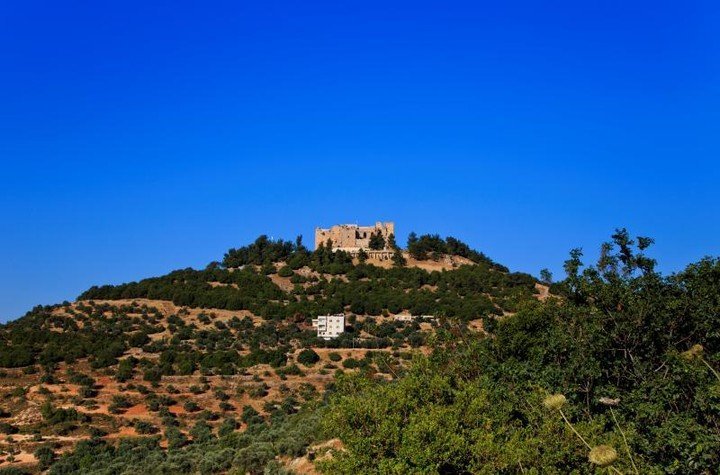
تقع مدينة عجلون شمال العاصمة عمان، وهي شهيرة بقلعتها التاريخية التي تسمى قلعة الربض. وتجذب هذه القلعة اعدادا كبيرة من الزائرين لما لها من قيمة تاريخية. فقد بناها أحد قادة صلاح الدين الأيوبي مابين عامي 1148 – 1185 ميلادية لتقف في وجه التوسع الافرنجي الصليبي وتحافظ على طرق المواصلات مع دمشق وشمال سوريا.
البحر الميت :

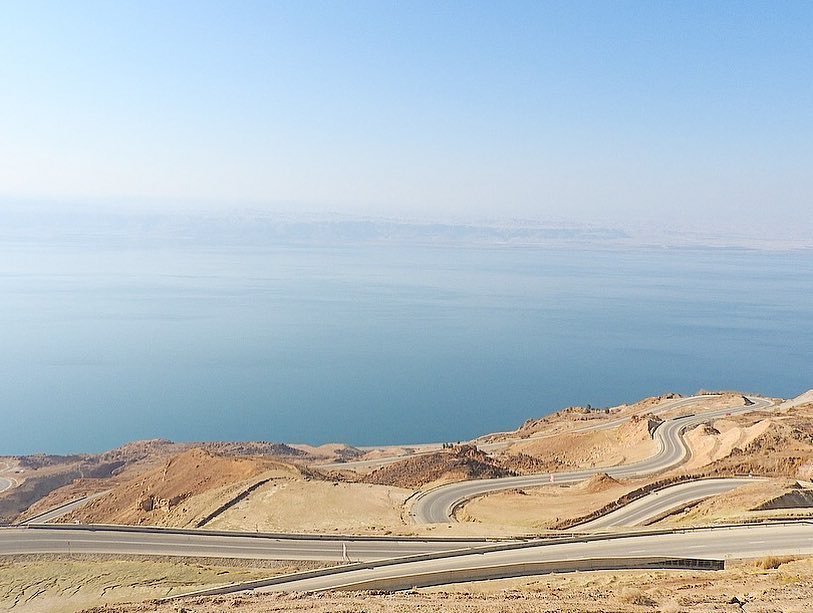
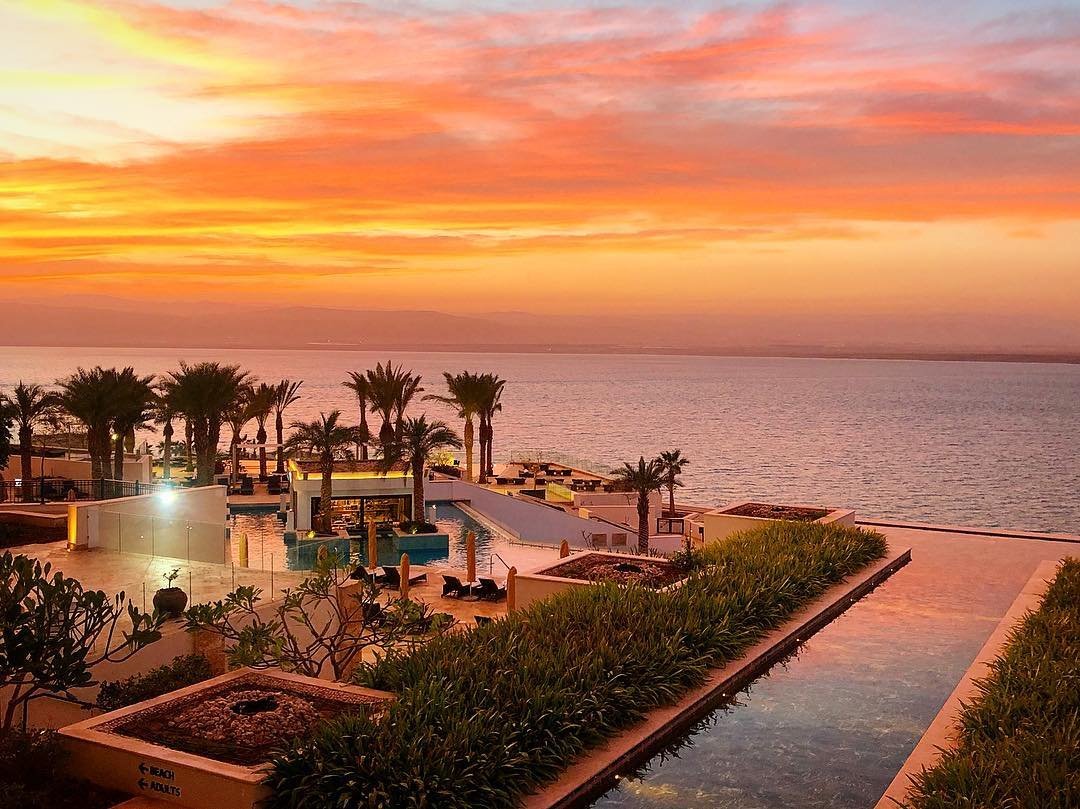
إلى الجنوب الغربي من عمان، وعلى مسافة 55 كيلومترا منها تقع أكثر بقاع الأرض انخفاضا عن مستوى سطح البحر.. إنه البحر الميت، الذي عاش عبر الحقب التاريخية المتعاقبة، ليصبح من أكثر المناطق جذبا للسياح الباحثين عن الدفء في فصل الشتاء، والطبيعة الخلابة، والغرابة التي تتجسد في بحر لا كائن حيا فيه بسبب كثافة أملاحه، لكن في مياهه المالحة علاج للكثير من الأمراض، ومازال الناس يستشفون في هذه المياه منذ آلاف السنين. كما أن أملاح البحر الميت تكون المواد الخام لإنتاج البوتاس وأملاح الاستحمام العلاجية، والمنتجات التجميلية التي يتم تسويقها في مختلف أنحاء العالم.
الـبـتــراء :

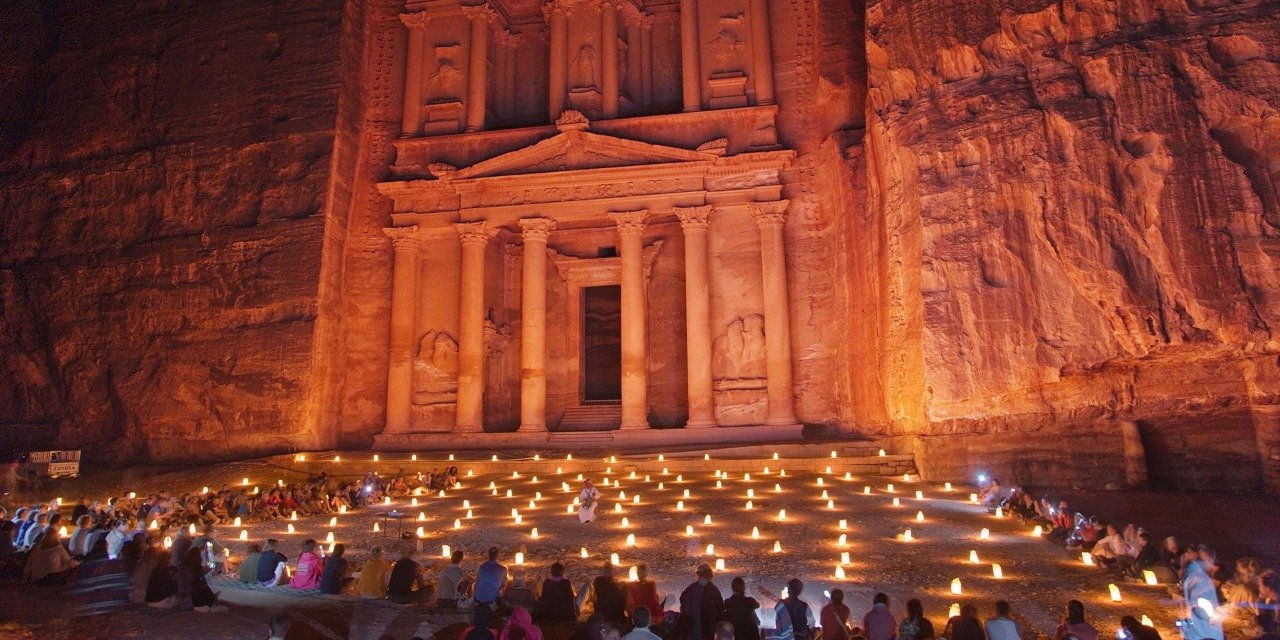
تعتبر البتراء من أشهر المعالم الأثرية في الأردن، وهي مدينة محفورة في الصخور، أقامها الأنباط العرب قبل أكثر من ألفي عام لتكون عاصمة لدولتهم، وظلت شاهدا على المعجزة البشرية التي تخرج المدن من بطون الجبال. يعرفها زائروها والقارئون عنها باسم (المدينة الوردية) نسبة إلى لون الصخور التي شكلت بناءها الفريد، وهي مدينة أشبه ما تكون بالقلعة، تقع البتراء على بعد 262 كيلومترا إلى الجنوب من عمان، وهي واحدة من أهم مواقع الجذب السياحي في الأردن، حيث تؤمها أفواج السياح من كل بقاع الأرض، ويأتيها الباحثون عن تجليات التاريخ الإنساني، والراغبون باستحضار العصور الغابرة، في رحلة تختلط فيها المتعة بالمعرفة.
العقبـــة :

على حافة الصخور، تلتقي الشمس والماء مع مناظر الطبيعة الخلابة في مدينة العقبة، مدينة الرمل الذهبي، والنخل الباسق، والماء البلوري في الخليج الذي يحتضن ميناء الأردن ومنفذه البحري، وأجمل منتجعات السياحة الشتوية على شواطئ البحر الأحمر.يرجع تاريخ المدينة الى عهد الأدوميين وكانت تسمى في ذلك الوقت (آيلة) ثم حكمها الأنباط والرومان، وبرزت أهمية العقبة في العهد البيزنطي في القرن الرابع الميلادي وتحولت الى مركز ديني مهم، وأصبحت مدينة اسلامية بعد غزوة تبوك عام 630م. ثم خضعت لحكم المماليك والصليبيين والعثمانيين على التوالي،وبنى المماليك فيها قلعة العقبة عام 1320م والتي اتخذها الشريف حسين بن علي قاعدة انطلاقه لمحاربة العثمانيين.
تقع العقبة على رأس خليج العقبة على بعد 360 كم إلى الجنوب من عمان، وفيها يستمتع الزائر بعالم البحر المدهش،ويستطيع ****** هواياته كالسباحة، أو التزلج على الماء، او صيد الأسماك، او قيادة الزوارق الشراعية، او أي نوع من أنواع الرياضات البحرية.وادي رم :

بين الحلم والحقيقة، يقضي السائح اوقاته في وادي رم، الذي يسمى ايضا وادي القمر، نظرا لتشابه تضاريسه مع تضاريس القمر، وبين الجبال الشاهقة التي تنتصب في المنطقة يستطيع الزائر أن يلمس صفاء الطبيعة في الصحراء العربية، وخاصة في فصل الربيع.
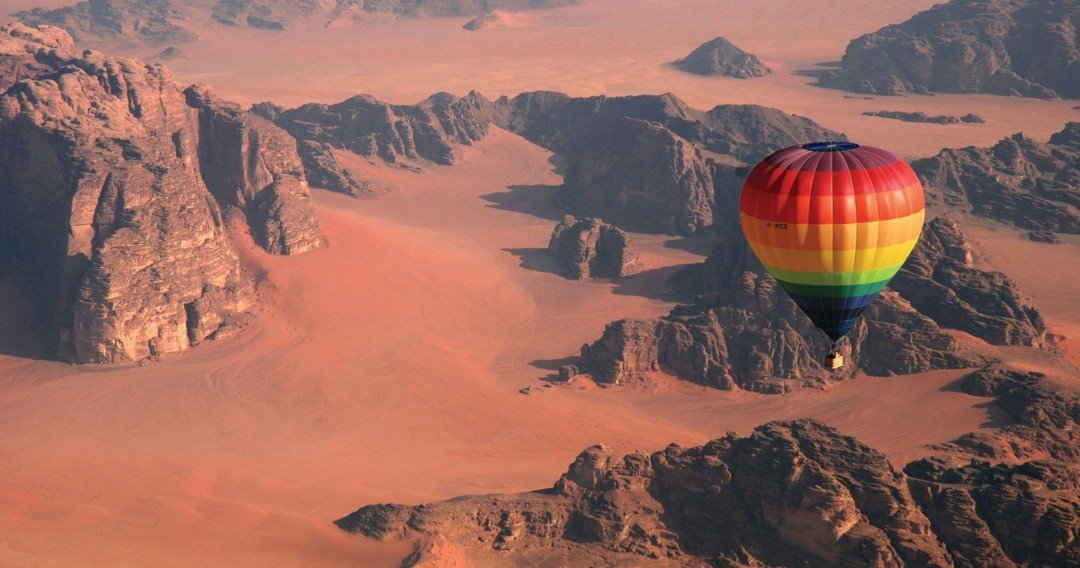
تبعد منطقة وادي رم قرابة 40 كم عن مدينة العقبة، وفيها أعلى القمم الجبلية في جنوب بلاد الشام وتعتبر جبال رم تحديا ممتعا لهواة التسلق، كما يستطيع الزائرون السير في دروب الوادي، والتوغل بعيدا في مساربه الفسيحة، او القيام برحلات جماعية على ظهور الجمال، والتخييم في الوادي، في مخيم خاص مزود بكل ما يلزم للمبيت المريح، كما تستهوي الزائر الرحلات بسيارات الدفع الرباعي، وتقام في هذه المنطقة عروض للبالونات والمناطيد، تزخرف السماء بألوانها الزاهية.
وادي رم:

تستخدم هوليوود وادي رم “وادي القمر” لتصوير مشاهد مشابهة لكوكب المريخ. يأخذك الموقع- بحد ذاته- في أجواء خيالية أو حكاية عربية. إنها موطن للقبائل البدوية المترحلة، ومنطقة ذات سحر باهر تمنحك سَكينة كاملة بينما تتأمل رمالها ونجومها وشمسها، وتضعك في تجربة جديدة من نوع آخر مغاير لمتعة تجربتك في العاصمة عمّان. سكن الأنباط هذه المنطقة في الزمن الغابر، و ها هي الآن تمنحك فرصة الانغماس في مناظر طبيعية شاسعة على امتداد الأفق! استمتع بسَكينة الصحراء التي تهدئ النفس والروح وتصفي الذهن. وادي رم بانتظارك لاكتشاف روعتها الآسرة!
مادبا

في مادبا تجتمع ملامح الحياة الريفية مع مكوّنات السياحة الدينية لتشكلا مزيجاً يثير اهتمام الزائر. تُعرف مادبا باسم “مدينة الفسيفساء”، لكونها ثرية باللوحات الفسيفسائية البيزنطية والأموية، و تلك التي لا تزال تنتج محلياً إلى اليوم. يتيح لك موقعها الملائم المجال لإدراجها ضمن برنامج زيارتك للأردن، فهي ليست ببعيدة عن العاصمة عمّان، كما أنها قريبة على أهم المواقع الجغرافية الدينية البارزة.
- أم الجمال

تعتبر أم الجمال واحة عربية لقوافل الصحراء. تبعد 86 كم عن العاصمة عمّان وتشتهر باسم “الواحة السوداء” وذلك لاحتوائها على عدد كبير من الصخور البركانية السوداء. يعود تاريخ هذه المدينة إلى العصر الروماني البيزنطي. تم بناؤها في مستوطنة نبطية قديمة باستخدام حجارة البازلت السوداء الكبيرة والمدعومة بحجارة مستطيلة مشابهة. تحتوي هذه المدينة المذهلة على أحواض مائية للاستخدام الخاص. تتضمن الكنائس البيزنطية القديمة في أم الجمال لوحة فسيفساء قديمة عن نهر الأردن مع المدن والقرى المذكورة في الكتاب المقدس. وقرب أم الجمال، هناك مستوطنة بيزنطية في أم الرصاص تحتوي على برج طوله 15 م كان الرهبان يستخدمونه للخلوة. تاريخياً، تشتهر أم الجمال بكونها الرابط بين طرق فلسطين والأردن مع سوريا والعراق.
مغطس السيد المسيح عليه السلام
 يحتضن المكان عدداً من المدن التي ذُكِرت في الكتاب المقدس مثل سدوم وعمورة وصوغر، وقد أثبتت الاكتشافات الأثرية أن المنطقة الواقعة بين نهر الأردن وتل الخرار هي”بيت عنيا عبر الأردن” المذكورة في الكتاب المقدس. إنها المنطقة التي عاش فيها يوحنّا المعمدان حيث عُمّدَ يسوع. يندرج موقع المعمودية ضمن لائحة مواقع التراث العالمي التابعة لمنظمة اليونسكو، و هو المكان الذي يقصده الحجاج من كافة بقاع العالم سعياً لتجربة روحانية في مكان رويت أحداثه في الكتاب المقدّس، أو للعودة إلى زمن بعيد وتأمل معالم التاريخ الكامنة في الموقع، أو حتى نيل المعمودية مثلما تعمّد يسوع في الزمن بعيد.
و تمتد القيمة التاريخية للمنطقة إلى موقع مجاور جاء ذكره في الكتاب المقدس، فعلى مقربةٍ منه يقع الكهف الذي لاذ إليه لوط وابنتاه عند دمار سدوم وعمورة، في منطقة تدعى صافي (“صوغر” بحسب الكتاب المقدس).
القصور الصحراوية

قصور الأردن الصحراوية انعكاس جميل لمطلع عصر العمارة والفنون الإسلامية. ولا تزال هذه القصور ثابتة في مكانها لتروي حكاياتها عن ذلك العصر البهيّ الذي أثرى تاريخ الأردن. بلوحاتها الفسيفسائية والجدارية ومنحوتاتها الحجرية والجصّية والرسومات، المستوحاة من أبرز التقاليد الفارسية والرومانية واليونانية، تخبرنا عن الحياة التي سادت في القرن الثامن الميلادي. يطلق عليها اسم القصور نسبة لبنيتها المهيبة. وفي الواقع، كانت هذه المباني الصحراوية تستخدَم لعدة أغراض، فقد كانت محطات للقوافل ومراكز للزراعة والتجارة وملاجىء ومراكز عسكرية ساعدت الحكّام في المناطق البعيدة على توطيد العلاقات مع بدو المنطقة. يمكنك زيارة العديد من هذه المباني التي لا تزال محفوظة للآن، و يقع معظمها شرقي و جنوبي عمّان، في يوم واحد أو يومين.