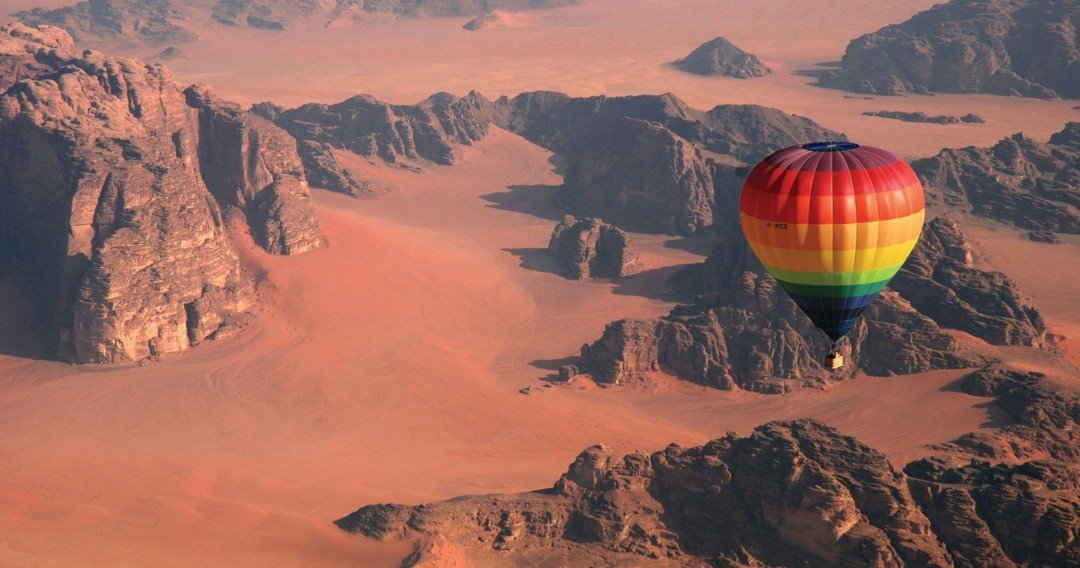
الأردن رسميا المملكة الأردنية الهاشمية، (بالإنجليزية: Jordan)، هي دولة عربية تقع جنوب غرب آسيا، تتوسط الشرق الأوسط بوقوعها في الجزء الجنوبي من منطقة بلاد الشام، والشمالي لمنطقة شبه الجزيرة العربية.

سميت بالأردن نسبة إلى نهر الأردن الذي يمر على حدودها الغربية. يُعتبر الأردن بلد يجمع بين ثقافات ولهجات عربية مختلفة بشكل لافت، ولا تفصله أي حدود طبيعية عن جيرانه العرب سوى نهر الأردن ونهر اليرموك اللذان يشكلان على التوالي جزءا من حدوده مع فلسطين وسوريا. أما باقي الحدود فهي امتداد لبادية الشام في الشمال والشرق وصحراء النفوذ في الجنوب، ووادي عربة إلى الجنوب الغربي.
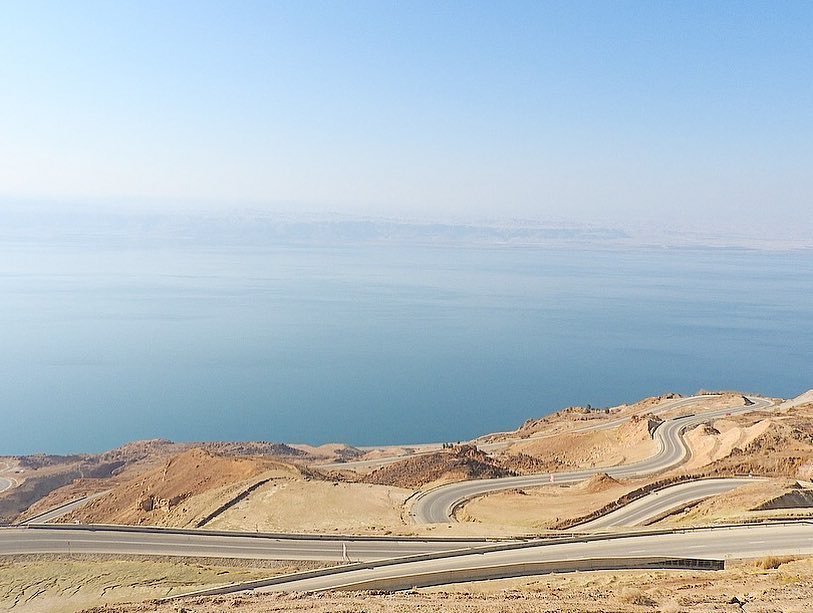
تتنوع التضاريس بالأردن بشكل كبير، وأهم جباله جبال عجلون في الشمال الغربي، وجبال الشراة في الجنوب، أعلى قمة تلك الموجودة على جبل أم الدامي 1854 متر، وأخفض نقطة في البحر الميت والتي تعتبر أخفض نقطة في العالم، وتبلغ 408 متر تحت سطح البحر.
يتكوَّن معظم سطح الأردن، بشَكلٍ عام، من نجدٍ صحراوي، في الشرق، وأراضٍ مرتفعة، في الغرب، ويفصل وادي الأُخدود العظيم، بين الضفتين الشرقية والغربية لنهر الأردن، ويتألف سطح الأردن، من ثلاثة أقاليم، هي: المُنخفَض الأُخدوديّ، لوادي الأُردن (اخدود وادي الأردن)، والمُرتفَعات الجبليّة، وهضبة البادية الصحراويّة.

خريطة الأردن وتوضح المدن الأردنية
الموقع:
ويقع الأردن جغرافياً بين خَطَّي عرض 33 و29 شمالاً، وخَطَّي طول 39 و34 شرقاً. يأتي موقع الأردن بين دول المشرق العربي والجزيرة العربية، يحده من الشمال الجمهورية العربية السورية بحدود طولها 375 كم، ومن الشرق والجنوب المملكة العربية السعودية بحدود 744 كم، وتقع الجمهورية العراقية إلى شرقه بحدود 181 كم، بينما تحده من الغرب الضفة الغربية وأراضي السلطة الوطنية الفلسطينية بحدود 97 كم، وإسرائيل بحدود 238 كم.
وبهذا تكون أطول حدود له مع السعودية، كما أنها الدولة العربية التي لديها أطول حدود مع إسرائيل. يبلغ طول شريطه الساحلي 26 كم، وتمتد مياهه الإقليمية إلى مسافة ثلاثة أميال بحرية. رغم صغر حجم الأردن لكن تضاريسه وطبوغرافيته تعكس تنوعه المناخي.
المساحة:
تبلغ مساحة الأردن 89.213 كيلومتراً مربعاً.
عدد السكان:
عدد سكان الأردن 10.726 مليون نسمة حتى أول أيلول 2020 .
العاصمة:
عمان
أهم المدن:
عمان (العاصمة)، إربد، الزرقاء، السلط.

علم الأردن:
علم الأردن هو العلم الرسمي للمملكة الأردنية الهاشمية. بدء الاستخدام الرسمي له في 16 نيسان / أبريل 1928. وهو مشتق من علم الثورة العربية الكبرى، التي أعلنها شريف مكة الشريف حسين بن علي على الدولة العثمانية عام 1916. ويتكون من ألوانه الأربع.
طول العلم الأردني ضعف عرضه، وينقسم إلى ثلاث قطع متساوية متوازية؛ العليا سوداء، والوسطى بيضاء، والسفلى خضراء.. يوضع عليها من ناحية السارية مثلث (ليس قائم) أحمر قاعدته مساوية لعرض العلم وارتفاعه مساوٍ لنصف طوله، وفي هذا المثلث كوكب أبيض سباعي الأشعة مساحته مما يمكن أن تستوعبه دائرة قطرها واحد من أربعة عشر من طول العلم، وهذا الكوكب موضوع بحيث يكون وسطه عند نقطة تقاطع الخطوط بين زوايا المثلث، وبحيث يكون المحور المار من أحد الرؤوس موازياً لقاعدة هذا المثلث.
تدل الألوان على ما يلي:
الأسود راية الدولة العباسية.
الأبيض راية الدولة الأموية.
الأخضر راية الدولة الفاطمية.
الأحمر راية الثورة العربية الكبرى.
العملة الأردنية:
الدينار الأردني هو العملة الرسمية في المملكة الأردنية الهاشمية ويصدره البنك المركزي الأردني. يقسم الدينار الأردني إلى 1000 فلس، أو 100 قرش. ويوجد الدينار بشكل ورقي للفئات 50، 20، 10، 5، 1 دينار. وتتوفر أشكال معدنية للعملة بقيمة 0.5، 0.25 دينار و 100، 50، 25، 10 ،5 فلسات. سعر الدينار بشكل عام ثابت مقابل الدولار، تبلغ قيمته 1.41 دولار مقابل الدينار الأردني.
الموارد:
الأردن بلد صغير محدود الموارد، لكن اقتصاده في تحسن مستمر منذ إعلان استقلاله. حوالي 10% تقريباً من أراضي الأردن صالحة للزراعة، موارد المياه الجوفية محدودة، ومعدل هطول الأمطار منخفض ومتفاوت بدرجة كبيرة بين منطقة لأخرى ومن عام لآخر. الكثير من مصادر المياه الجوفية هي مصادر غير متجددة.
أهم موارد الأردن الفوسفات، البوتاس، الأسمدة ومشتقاتها، بالإضافة إلى السياحة والتحويلات المالية من الخارج، إلى جانب المساعدات الخارجية. يفتقر الأردن إلى احتياطات من الفحم والطاقة الكهرومائية، وعدم وجود مساحات واسعة من الغابات والثروة الشجرية، بالإضافة إلى قلة الودائع النفطية.
يعتمد الأردن على الغاز الطبيعي في 10% من احتياجاته المحلية من الطاقة. كان الأردن يعتمد على العراق في استيراد النفط حتى الغزو الأمريكي للعراق في 2003، ويصنف الأردن على أنه من الدول الناشئة.
يعتمد اقتصاد المملكة بشكل رئيسي على قطاع الخدمات والتجارة والسياحة، وعلى بعض الصناعات الاستخراجية كالأسمدة والأدوية فالأردن فقير بالموارد الطبيعية. توجد مناجم الفوسفات جنوب المملكة، جاعلة من الأردن ثالث أكبر مصدّر لهذه المادة في العالم. ومن أهم المواد المستخرجة الأخرى البوتاس والأملاح والغاز الطبيعي والحجر الكلسي.
منذ تولي الملك عبد الله الثاني ابن الحسين سلطاته الدستورية ملكاً للبلاد في عام 1999، أدخلت سياسات اقتصادية متحررة، مما أدى إلى ازدهارٍ دام لعقد من الزمن واستمر حتى عام 2009. والأردن الآن واحد من أكثر الاقتصادات حرية وتنافسية في الشرق الأوسط بتسجيله ارتفاع أعلى من الإمارات العربية المتحدة ولبنان.
القطاع المصرفي في الأردن متقدم وحديث، وبذا أصبح الوجهة المفضلة للاستثمار نتيجة لسياساتها المحافظة التي ساعدت البنك المركزي الأردني في تجنب الأزمة المالية العالمية في عام 2009. ويعلق الأردن آماله على السياحة وصادرات اليورانيوم، إضافة إلى الصخر الزيتي والتجارة وتكنولوجيا المعلومات والاتصالات لتحقيق النمو الاقتصادي في المستقبل.
ملوك المملكة الأردنية الهاشمية:
1- عبد الله الأول بن الحسين: من 25 مايو 1946 إلى 20 يوليو 1951.
2- طلال بن عبد الله: من 20 يوليو 1951 إلى 11 أغسطس 1952.
3- الحسين بن طلال: 11 أغسطس 1952 إلى 7 فبراير 1999.
4- عبد الله الثاني بن الحسين: 7 فبراير 1999 إلى الآن.